Search

Weight Loss Success Over 50 with a Semi-Vegan Diet

Semi-Vegan Diet: How It Helps Women Over 50 Lose Weight

Aging brings its own set of challenges, but weight loss shouldn’t be one of them. For women over the age of 50, the semi-vegan diet has been gaining popularity as a sustainable and effective approach to shedding those extra pounds. Here’s an in-depth look at how this diet works and why it may be the perfect fit for women in this age group.

Understanding the Semi-Vegan Diet

The semi-vegan diet, sometimes referred to as a flexitarian diet, is a plant-based eating plan that allows for occasional consumption of animal products. Unlike a fully vegan diet, this approach offers more flexibility and is easier to maintain over the long term. The focus is primarily on plant foods like fruits, vegetables, legumes, nuts, and grains, while limiting meat, dairy, and other animal-derived products.

Key Benefits of the Semi-Vegan Diet for Women Over 50

Switching to a semi-vegan diet can offer numerous advantages, especially for women over 50.

Improved Metabolism and Weight Loss

Metabolism naturally slows down with age, making weight loss more challenging. A semi-vegan diet can help boost metabolism through:

  • High Fiber Content: Plant-based foods are rich in dietary fiber, which aids in digestion and keeps you feeling full longer.
  • Lower Calorie Intake: Plant foods tend to be lower in calories compared to animal products, making it easier to create a calorie deficit.
  • Reduced Saturated Fats: Minimizing intake of saturated fats from meat and dairy contributes to overall calorie reduction and weight loss.

Improved Heart Health

Heart health becomes increasingly important as you age. A semi-vegan diet can contribute to a healthier heart through:

  • Lower Cholesterol Levels: Plant-based diets have been shown to reduce LDL cholesterol, which is beneficial for heart health.
  • Lower Blood Pressure: Consuming more fruits and vegetables can help in lowering blood pressure levels.
  • Antioxidants and Nutrients: Plant foods are packed with antioxidants and essential nutrients that promote overall cardiovascular health.

Better Bone Health

Bone density decreases with age, increasing the risk of fractures and osteoporosis. The semi-vegan diet can help maintain bone health by:

  • Calcium-Rich Plant Foods: Foods like leafy greens, almonds, and fortified plant-based milks are excellent sources of calcium.
  • Vitamin D Sources: While meat and dairy are common sources of Vitamin D, fortified plant-based options are also available to support bone health.
  • Magnesium and Potassium: These minerals, found in abundance in plant foods, are crucial for bone density and strength.

Making the Transition

Switching to a semi-vegan diet doesn’t have to be a daunting task. Here’s how you can make the shift smoothly:

Start Small

Begin by incorporating more plant-based meals into your diet. You don’t have to eliminate animal products overnight. Start with:

  • Meatless Mondays: Dedicate one day a week to entirely plant-based meals.
  • Plant-Based Swaps: Replace meat in your favorite dishes with plant-based alternatives like tofu, tempeh, or legumes.

Focus on Whole Foods

Choose whole, unprocessed foods to maximize nutrient intake and avoid the added sugars and unhealthy fats found in many processed items.

Plan Your Meals

Having a meal plan can make it easier to make the right choices. Prepare a weekly menu that includes a variety of plant-based recipes to keep your diet interesting and nutritious.

Supplement Wisely

While the semi-vegan diet covers most nutritional needs, you might still need supplements for nutrients like Vitamin B12, Omega-3 fatty acids, and Vitamin D. Consult a healthcare provider to determine your specific needs.

Common Concerns

Transitioning to a semi-vegan diet raises a few common questions, especially for women over 50. Here are some answers to alleviate your concerns:

Will I Get Enough Protein?

Yes, plant-based diets can provide ample protein. Sources include:

  • Legumes: Beans, lentils, and chickpeas are not only high in protein but also rich in fiber.
  • Nuts and Seeds: Almonds, hemp seeds, and chia seeds are excellent protein sources.
  • Whole Grains: Quinoa, farro, and barley add protein to your meals.

What About Iron and Vitamin B12?

Though these nutrients are primarily found in animal products, they can also be obtained through:

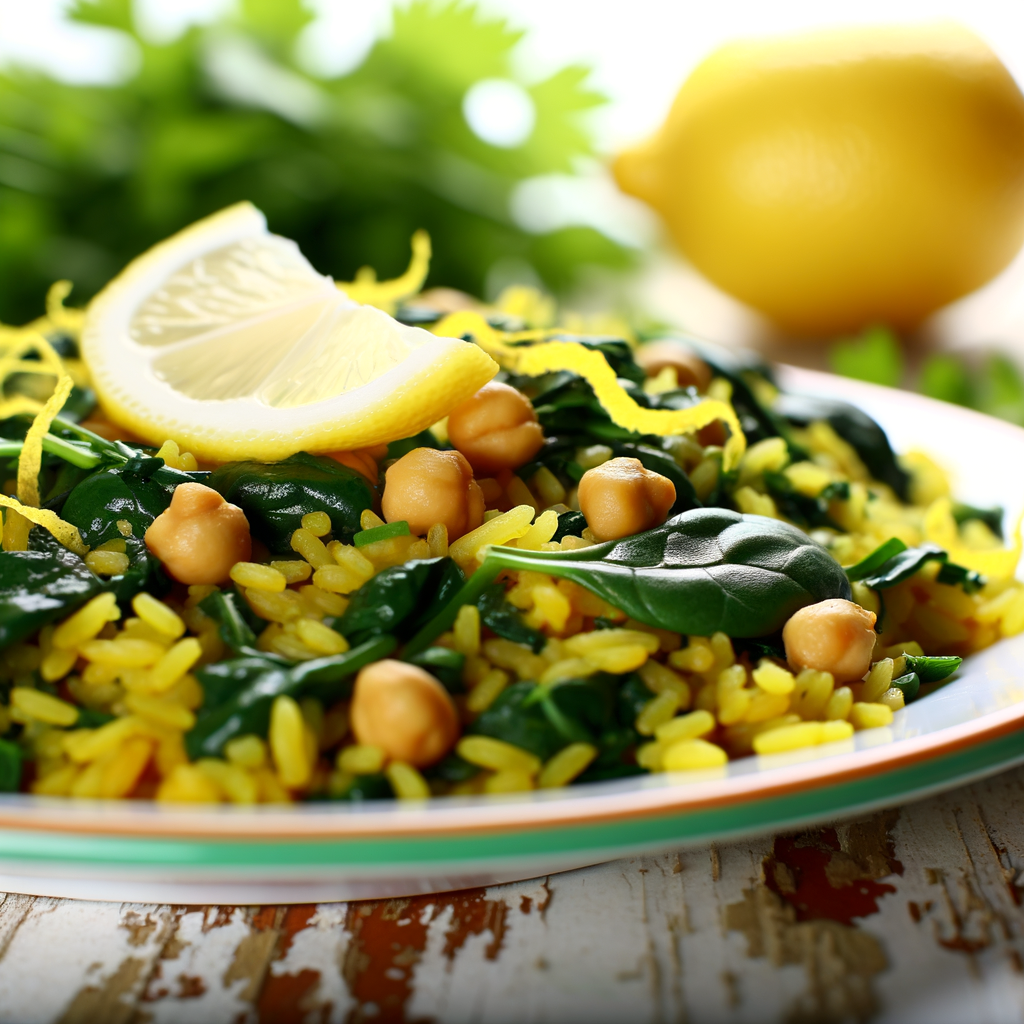
  • Iron: Spinach, fortified cereals, and legumes are rich in iron. Pair them with Vitamin C-rich foods to enhance absorption.
  • Vitamin B12: Fortified plant-based milks, nutritional yeast, and supplements can help you meet your B12 requirements.

Can It Be Socially Restrictive?

While any dietary change can pose social challenges, the semi-vegan diet’s flexibility makes it easier to manage. You can still enjoy social gatherings and meals with family, making mindful yet moderate choices.

Conclusion

The semi-vegan diet offers a balanced, sustainable, and highly beneficial approach to weight loss for women over 50. By emphasizing whole, plant-based foods while allowing for occasional animal products, this diet makes it easier to achieve long-term success. Whether you’re looking to boost your metabolism, improve heart health, or maintain strong bones, the semi-vegan diet has much to offer. Start today and take your first step towards a healthier, more vibrant life.

Get our best recipes & expert tips right into your inbox!

Join over 10k subscribers

By submitting above, you agree to our privacy policy.

You might also like

New Vegetarian School Lunch Menu Introduced by Revolution Foods --- ### Revolution Foods Unveils Groundbreaking Vegetarian and Vegan School Lunch Menu In an exciting development for school lunch programs, Revolution Foods has announced the launch of its innovative vegetarian school lunch menu, featuring its first-ever plant-based vegan meals. This new initiative aims to provide healthier, more sustainable meal options for students, aligning with the increasing demand for plant-based diets. **Transforming School Nutrition** Revolution Foods, a leader in creating healthy and accessible school meals, continues to push the boundaries of school nutrition. Their latest menu is designed not only to cater to vegetarians but to introduce entirely vegan meals, which are gaining popularity for their health and environmental benefits. This move signifies a substantial shift towards inclusive and nutritious meals that accommodate various dietary needs. **Meeting the Demand for Plant-Based Options** With the rise in plant-based eating habits among younger generations, schools across the nation have been seeking solutions to meet the dietary preferences and requirements of their students. Revolution Foods is responding to this market trend by offering meals devoid of animal products, thus providing students with nutritious choices that support a balanced diet. **Nutritional Balance and Quality Ingredients** The newly introduced meals have been carefully crafted to ensure they meet the high nutritional standards required for school lunches. Utilizing a variety of organic and local ingredients, the menu is designed to provide balanced macro and micronutrients, ensuring students receive the energy and nutrition they need for optimal learning and growth. **Sustainable and Ethical Choices** Beyond the health benefits, Revolution Foods emphasizes the importance of sustainability. By incorporating plant-based meals into their menu, they are reducing the carbon footprint associated with food production. This initiative is part of a broader commitment to ethical sourcing and sustainable practices, demonstrating how school meals can contribute positively to environmental conservation efforts. **A Step Forward in School Meal Programs** This launch is a significant milestone in the transformation of school meal programs nationwide. Revolution Foods continues to lead the charge in redefining what school meals look like, making it possible for every student to access nutritious, delicious, and sustainable food options. In conclusion, Revolution Foods' introduction of a vegetarian and vegan school lunch menu marks a significant step forward in providing healthier, more inclusive meals for students. With the growing trend towards plant-based diets, this initiative not only meets current demands but sets a new standard for school nutrition programs across the country. --- **Keywords:** Revolution Foods, vegetarian school lunch, plant-based vegan meals, school nutrition, sustainable school meals, nutritious school lunch, plant-based diets, healthy school meals.

New Vegetarian School Lunch Menu Introduced by Revolution Foods — ### Revolution Foods Unveils Groundbreaking Vegetarian and Vegan School Lunch Menu In an exciting development for school lunch programs, Revolution Foods has announced the launch of its innovative vegetarian school lunch menu, featuring its first-ever plant-based vegan meals. This new initiative aims to provide healthier, more sustainable meal options for students, aligning with the increasing demand for plant-based diets. **Transforming School Nutrition** Revolution Foods, a leader in creating healthy and accessible school meals, continues to push the boundaries of school nutrition. Their latest menu is designed not only to cater to vegetarians but to introduce entirely vegan meals, which are gaining popularity for their health and environmental benefits. This move signifies a substantial shift towards inclusive and nutritious meals that accommodate various dietary needs. **Meeting the Demand for Plant-Based Options** With the rise in plant-based eating habits among younger generations, schools across the nation have been seeking solutions to meet the dietary preferences and requirements of their students. Revolution Foods is responding to this market trend by offering meals devoid of animal products, thus providing students with nutritious choices that support a balanced diet. **Nutritional Balance and Quality Ingredients** The newly introduced meals have been carefully crafted to ensure they meet the high nutritional standards required for school lunches. Utilizing a variety of organic and local ingredients, the menu is designed to provide balanced macro and micronutrients, ensuring students receive the energy and nutrition they need for optimal learning and growth. **Sustainable and Ethical Choices** Beyond the health benefits, Revolution Foods emphasizes the importance of sustainability. By incorporating plant-based meals into their menu, they are reducing the carbon footprint associated with food production. This initiative is part of a broader commitment to ethical sourcing and sustainable practices, demonstrating how school meals can contribute positively to environmental conservation efforts. **A Step Forward in School Meal Programs** This launch is a significant milestone in the transformation of school meal programs nationwide. Revolution Foods continues to lead the charge in redefining what school meals look like, making it possible for every student to access nutritious, delicious, and sustainable food options. In conclusion, Revolution Foods’ introduction of a vegetarian and vegan school lunch menu marks a significant step forward in providing healthier, more inclusive meals for students. With the growing trend towards plant-based diets, this initiative not only meets current demands but sets a new standard for school nutrition programs across the country. — **Keywords:** Revolution Foods, vegetarian school lunch, plant-based vegan meals, school nutrition, sustainable school meals, nutritious school lunch, plant-based diets, healthy school meals.